

Tolomeo Tavolo Table Lamp
Michele De Lucchi and Giancarlo Fassina, Artemide
Michele De Lucchi and Giancarlo Fassina designed the Tolomeo in 1987, and its spring-balanced arm remains the benchmark every task light is measured against. Aluminium arms, polished die-cast joints and stainless tension cables hold the shade exactly where it is put.
| Designer | Michele De Lucchi and Giancarlo Fassina (1987) |
|---|---|
| Maker | Artemide, Italy |
| Materials | Aluminium arms and diffuser; polished die-cast aluminium joints; stainless steel tension cables; weighted steel base |
| Dimensions | Maximum height 129 cm; maximum reach 122 cm; base diameter 23 cm; shade diameter 15 cm |
| Finishes | Aluminium, black, white |
| Price | EUR 362 at lampemesteren (RRP EUR 403); bulb not included |
| Recognition | Compasso d'Oro ADI 1989 |
Editorial link to the maker's official site, opening in a new tab. Not a paid placement.
Why Estate & Design selected it
A study, a library table or a bedside needs light that works as hard as the reader. The Tolomeo does its job without demanding attention, and after nearly forty years in production its mechanism still feels precise. Good design for daily use is the hardest kind to get right.
Estate & Design is not a retailer. Details were verified against the maker or publisher at the time of publication; availability and pricing may change.
Related stories
Estates
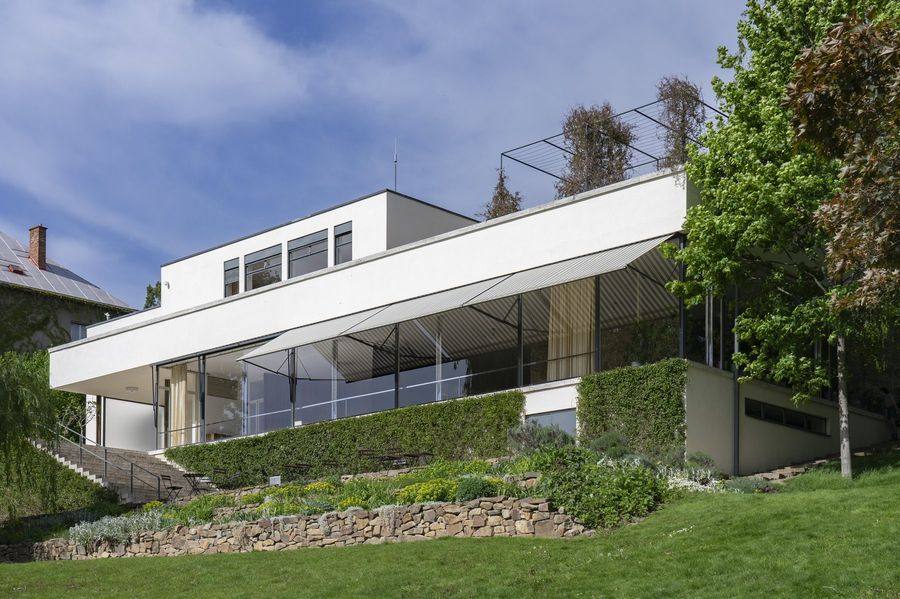
Villa Tugendhat: Mies van der Rohe's Uncompromising House in Brno
Completed in 1930 for the textile manufacturer Fritz Tugendhat and his wife Grete, this steel-framed villa in Brno redefined what a house could be, and then spent the next eighty years surviving history.
Estates
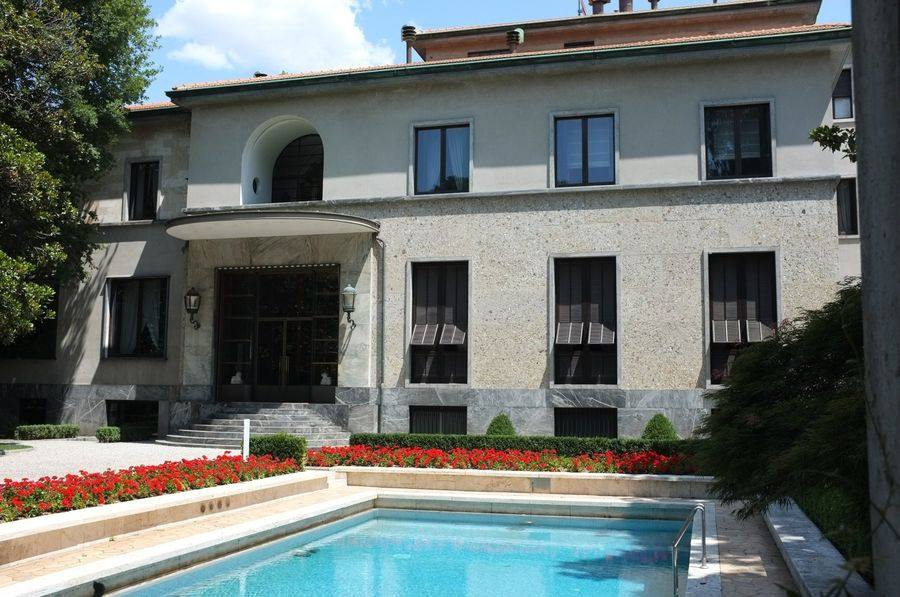
Villa Necchi Campiglio: Milan's Quiet Statement in Stone and Brass
Behind a deliberately plain street wall in Milan, Piero Portaluppi built one of the great bourgeois villas of the 1930s, later layered by Tomaso Buzzi and preserved intact by the FAI.

Estates
Katsura Imperial Villa: The Estate Without an Architect
On the western bank of the Katsura River, a seventeenth-century princely retreat shaped modern architecture without ever naming a designer. Its choreography of buildings, water, and path remains the standard.