

LC4 Chaise Longue
Le Corbusier, Pierre Jeanneret and Charlotte Perriand, Cassina
Designed in 1928 by Le Corbusier, Pierre Jeanneret and Charlotte Perriand and exhibited at the Salon d'Automne in Paris in 1929, the LC4 is the archetype of the modern chaise longue. The recliner, modelled on the natural contours of the body, slides on its tubular steel base to find the perfect angle, which is why it is often called the 'relaxation machine'.
| Designer | Le Corbusier, Pierre Jeanneret, Charlotte Perriand (1928) |
|---|---|
| Maker | Cassina, Italy |
| Materials | Tubular steel frame; leather or hide upholstery |
| Dimensions | 160 x 59.4 x 69 cm |
| Production | First introduced by Cassina in 1965; reintroduced in 2023 with circular materials |
| Availability | In production; available through Cassina and authorized dealers |
Editorial link to the maker's official site, opening in a new tab. Not a paid placement.
Why Estate & Design selected it
The LC4 earns its place in an estate the way a good instrument earns its place in a music room: it is a machine for comfort, precise and honest. Cassina has produced it since 1965, and in a pool house, a bedroom or a library it remains the most sculptural way to recline.
Estate & Design is not a retailer. Details were verified against the maker or publisher at the time of publication; availability and pricing may change.
Related stories
Estates
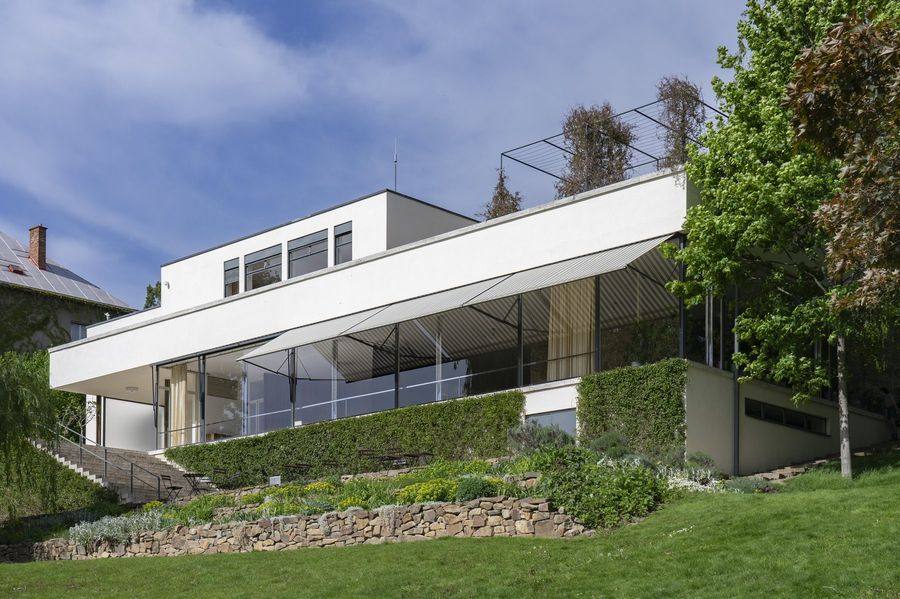
Villa Tugendhat: Mies van der Rohe's Uncompromising House in Brno
Completed in 1930 for the textile manufacturer Fritz Tugendhat and his wife Grete, this steel-framed villa in Brno redefined what a house could be, and then spent the next eighty years surviving history.
Estates
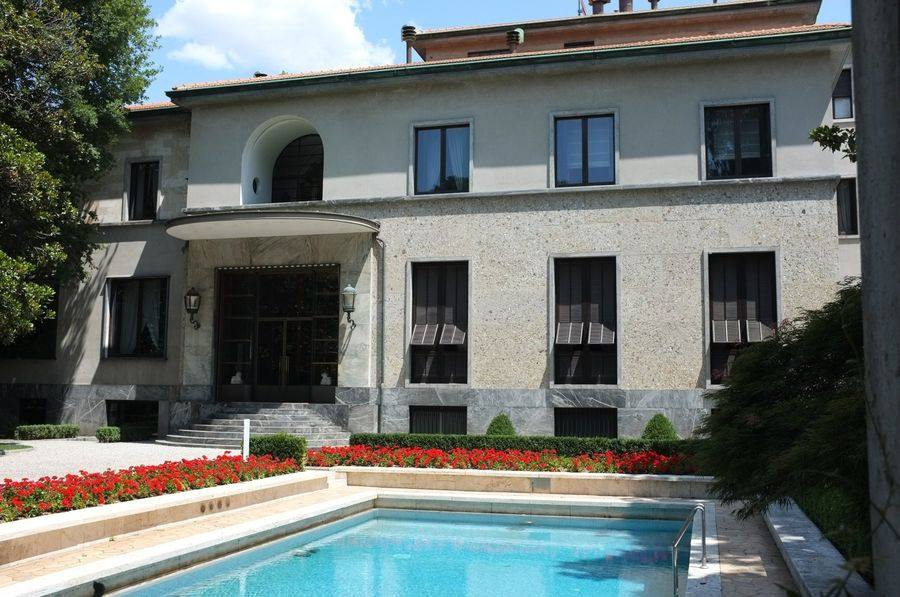
Villa Necchi Campiglio: Milan's Quiet Statement in Stone and Brass
Behind a deliberately plain street wall in Milan, Piero Portaluppi built one of the great bourgeois villas of the 1930s, later layered by Tomaso Buzzi and preserved intact by the FAI.

Estates
Katsura Imperial Villa: The Estate Without an Architect
On the western bank of the Katsura River, a seventeenth-century princely retreat shaped modern architecture without ever naming a designer. Its choreography of buildings, water, and path remains the standard.