

Eames Lounge Chair and Ottoman
Charles and Ray Eames, Herman Miller
Introduced by Herman Miller in 1956, the Eames Lounge Chair and Ottoman began with Charles Eames's wish for a chair with 'the warm receptive look of a well-used first baseman's mitt.' Seven-ply veneer shells, individually upholstered cushions and die-cast aluminium bases are still assembled by hand, and the set remains, in Herman Miller's phrase, 'a special refuge from the strains of modern living.'
| Designer | Charles and Ray Eames (1956) |
|---|---|
| Maker | Herman Miller, United States |
| Materials | Seven-ply veneer shells; individually upholstered, replaceable cushions; die-cast aluminium back brace and swivel base |
| Dimensions | Chair: 31 1/2 in H x 33 1/2 in W x 35 in D; tall version also available |
| Finishes | Walnut, santos palisander, white ash or ebonized ash veneers; leather or fabric upholstery |
| Price | From USD 5,500 depending on leather grade and veneer (Decomica design guide, updated June 2026) |
| Availability | In continuous production since 1956 |
Editorial link to the maker's official site, opening in a new tab. Not a paid placement.
Why Estate & Design selected it
Every great library needs one great chair, and this is the one. The Eames lounge chair is the most reproduced seat of the twentieth century precisely because nothing has improved on the original formula: moulded plywood, soft leather and a swivel base. Buy the real thing once and it will outlast the room around it.
Estate & Design is not a retailer. Details were verified against the maker or publisher at the time of publication; availability and pricing may change.
Related stories
Estates
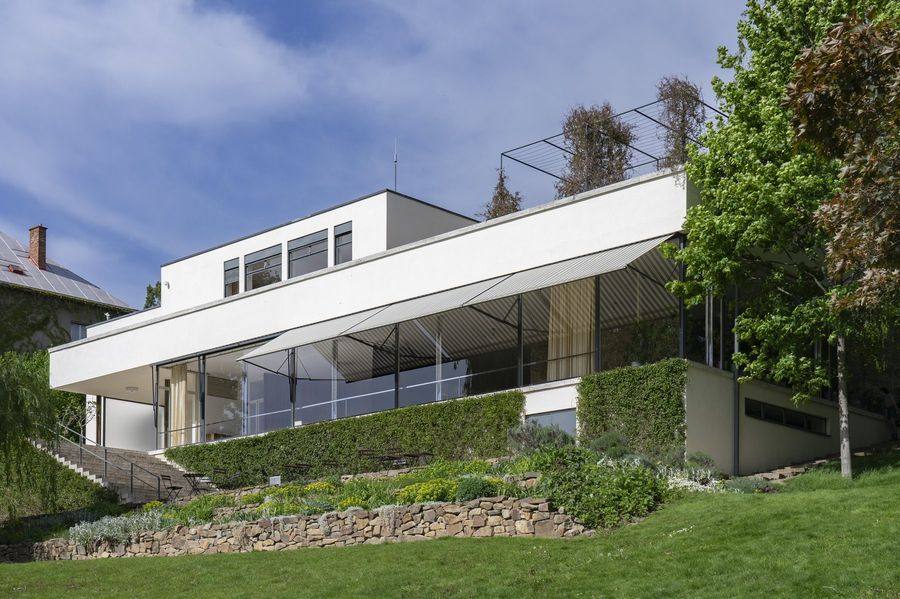
Villa Tugendhat: Mies van der Rohe's Uncompromising House in Brno
Completed in 1930 for the textile manufacturer Fritz Tugendhat and his wife Grete, this steel-framed villa in Brno redefined what a house could be, and then spent the next eighty years surviving history.
Estates
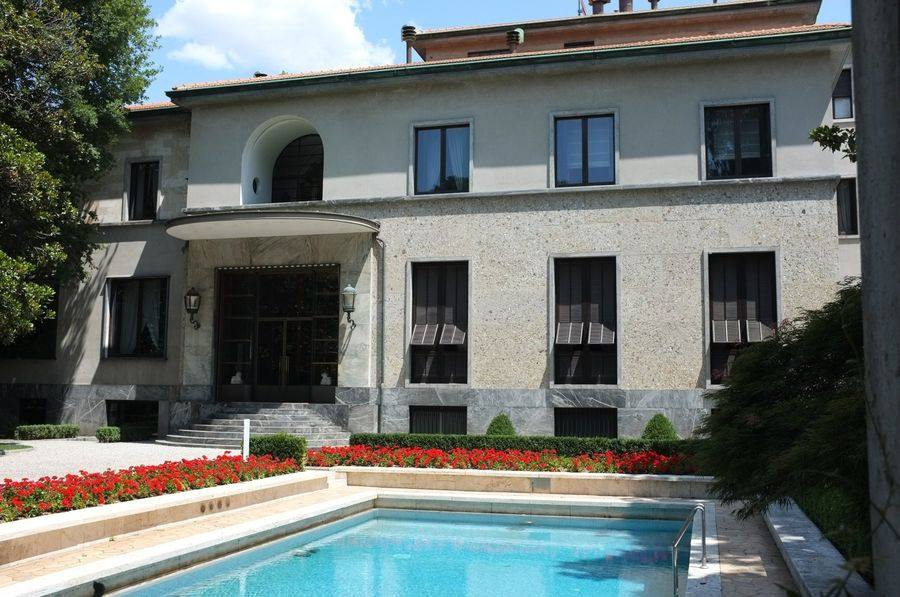
Villa Necchi Campiglio: Milan's Quiet Statement in Stone and Brass
Behind a deliberately plain street wall in Milan, Piero Portaluppi built one of the great bourgeois villas of the 1930s, later layered by Tomaso Buzzi and preserved intact by the FAI.

Estates
Katsura Imperial Villa: The Estate Without an Architect
On the western bank of the Katsura River, a seventeenth-century princely retreat shaped modern architecture without ever naming a designer. Its choreography of buildings, water, and path remains the standard.