

Bourgie Table Lamp
Ferruccio Laviani, Kartell
Ferruccio Laviani designed the Bourgie for Kartell in 2004, uniting, in the company's words, 'classicism, wealth and tradition with technological innovation.' A baroque-style base of three interlocking decorated elements carries a large pleated polycarbonate shade; a special hanging system gives three heights, 68, 73 and 78 centimetres.
| Designer | Ferruccio Laviani (2004) |
|---|---|
| Maker | Kartell, Italy |
| Materials | Transparent polycarbonate |
| Dimensions | Three heights: 68, 73 and 78 cm |
| Finishes | Crystal and a range of transparent and matte colourways |
| Price | USD 695 (crystal) at the official Kartell store |
| Availability | In production; available through Kartell and authorized dealers |
Editorial link to the maker's official site, opening in a new tab. Not a paid placement.
Why Estate & Design selected it
The Bourgie is the lamp for the room that takes itself slightly less than seriously. In transparent polycarbonate it is a baroque candelabra rendered in plastic, and it brings wit to a bedside table, a console or a study desk. Twenty years on it remains one of Kartell's defining pieces.
Estate & Design is not a retailer. Details were verified against the maker or publisher at the time of publication; availability and pricing may change.
Related stories
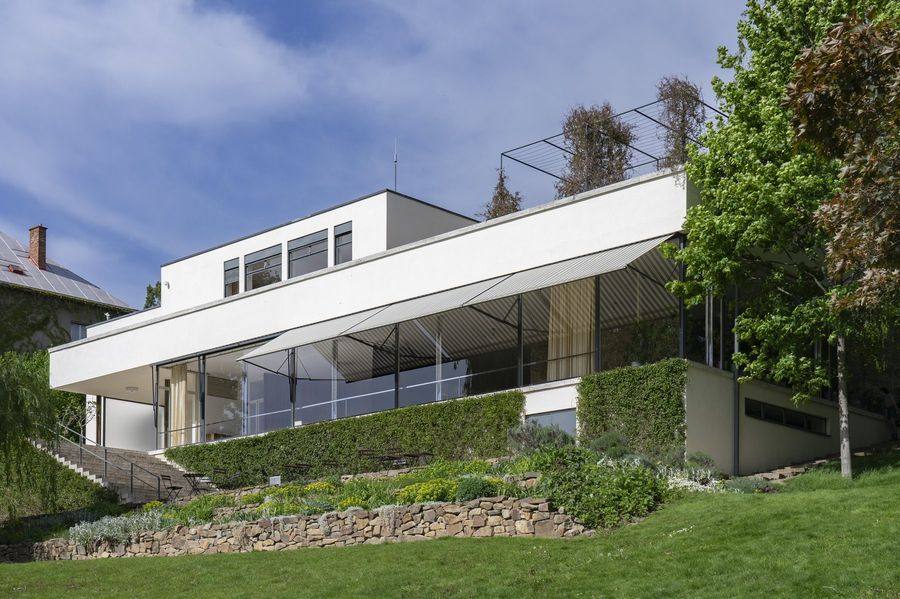
Estates
Villa Tugendhat: Mies van der Rohe's Uncompromising House in Brno
Completed in 1930 for the textile manufacturer Fritz Tugendhat and his wife Grete, this steel-framed villa in Brno redefined what a house could be, and then spent the next eighty years surviving history.
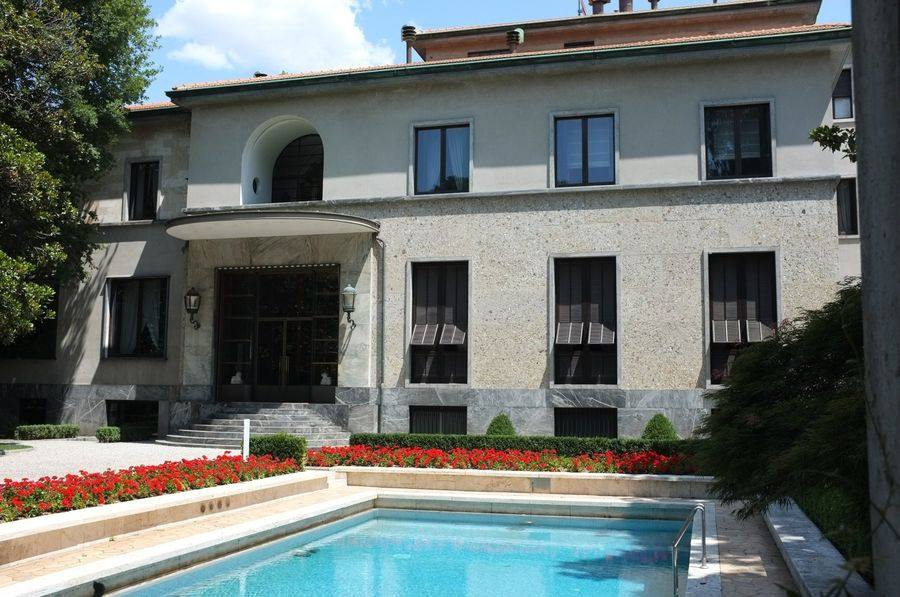
Estates
Villa Necchi Campiglio: Milan's Quiet Statement in Stone and Brass
Behind a deliberately plain street wall in Milan, Piero Portaluppi built one of the great bourgeois villas of the 1930s, later layered by Tomaso Buzzi and preserved intact by the FAI.

Estates
Katsura Imperial Villa: The Estate Without an Architect
On the western bank of the Katsura River, a seventeenth-century princely retreat shaped modern architecture without ever naming a designer. Its choreography of buildings, water, and path remains the standard.