

Barcelona Chair
Ludwig Mies van der Rohe, Knoll
Ludwig Mies van der Rohe designed the Barcelona chair for the German Pavilion at the 1929 International Exposition in Barcelona, conceived as seating fit for the King and Queen of Spain. Mies, a friend and mentor to Florence Knoll, granted Knoll the production rights in 1953, and the company has built the chair to his standards ever since.
| Designer | Ludwig Mies van der Rohe (1929) |
|---|---|
| Maker | Knoll, United States |
| Materials | Hand-ground, hand-buffed polished chrome frame; 40 leather panels hand-welted and hand-tufted from a single hide |
| Dimensions | H 30 1/4 x W 29 1/2 x D 30 in; seat height 17 in |
| Authentication | Frame stamped with the Knoll logo and the designer's signature |
| Availability | In production; available through Knoll and authorized dealers |
Editorial link to the maker's official site, opening in a new tab. Not a paid placement.
Why Estate & Design selected it
Few pieces of furniture carry a room the way the Barcelona chair does. The hand-buffed chrome frame and forty hand-welted leather panels, cut from a single hide, make it as much a piece of metalwork and leatherwork as a chair. It is the definitive modernist statement piece for a hall, a study or a loggia.
Estate & Design is not a retailer. Details were verified against the maker or publisher at the time of publication; availability and pricing may change.
Related stories
Estates
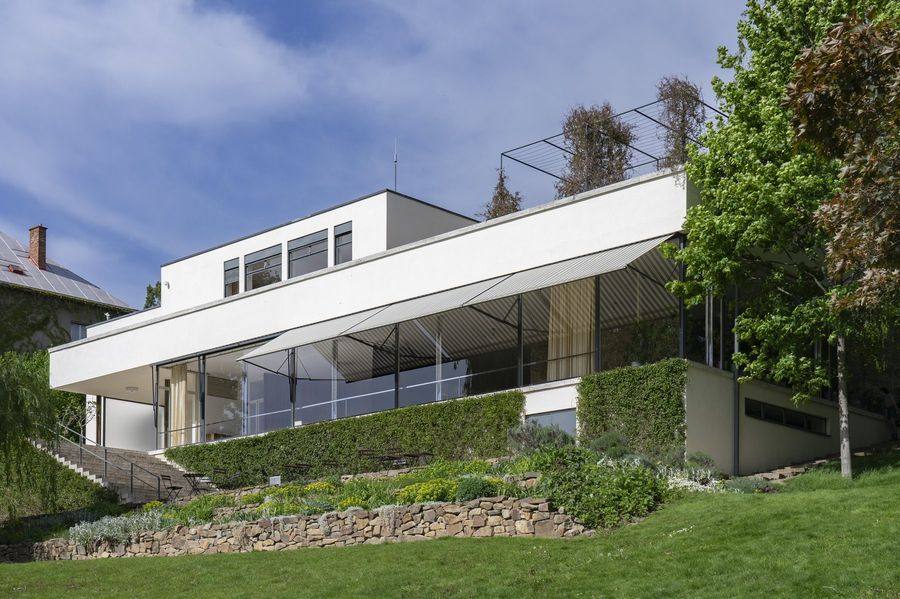
Villa Tugendhat: Mies van der Rohe's Uncompromising House in Brno
Completed in 1930 for the textile manufacturer Fritz Tugendhat and his wife Grete, this steel-framed villa in Brno redefined what a house could be, and then spent the next eighty years surviving history.
Estates
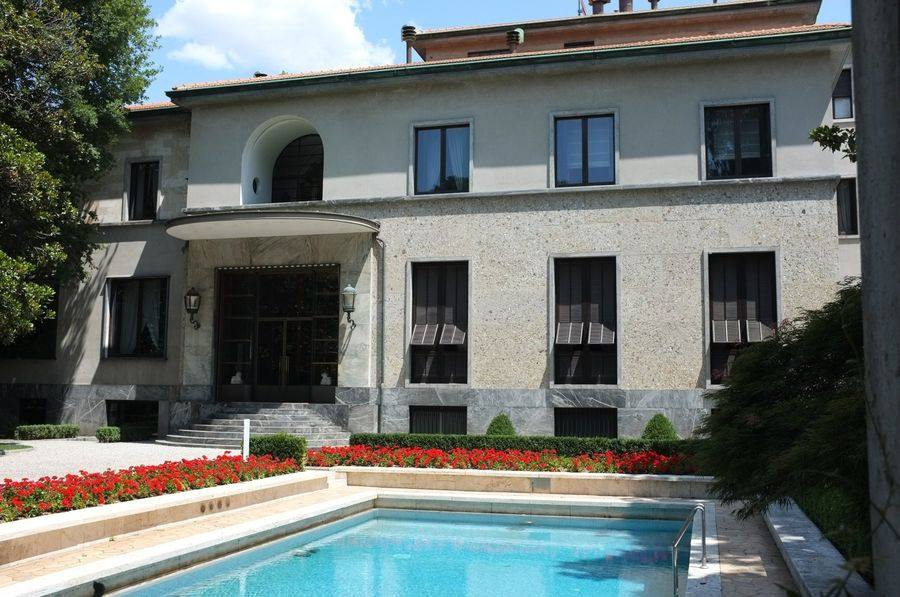
Villa Necchi Campiglio: Milan's Quiet Statement in Stone and Brass
Behind a deliberately plain street wall in Milan, Piero Portaluppi built one of the great bourgeois villas of the 1930s, later layered by Tomaso Buzzi and preserved intact by the FAI.

Estates
Katsura Imperial Villa: The Estate Without an Architect
On the western bank of the Katsura River, a seventeenth-century princely retreat shaped modern architecture without ever naming a designer. Its choreography of buildings, water, and path remains the standard.